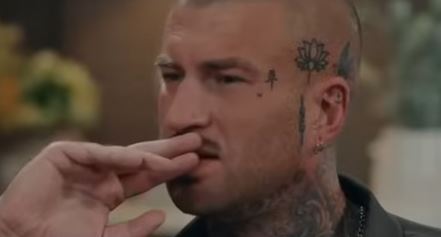
Made in Chelsea personality Sam Vanderpump has revealed he has been diagnosed with end-stage liver disease, telling a castmate that doctors have begun the process of referring him for a transplant assessment after warning his condition is unlikely to improve on its own. In an emotional exchange filmed for the Channel 4 reality series, Vanderpump said: “We had a call from the doctors and I’ve got end stage liver disease. There is no hope of my liver getting better,” adding that clinicians told him they would not be delivering the update if they believed he could remain well for “the next four or five years.” He said the plan now was to undergo formal evaluation for transplantation and to remain as healthy as possible until surgery is offered.
Vanderpump, 28, joined Made in Chelsea in 2024 and is the nephew of former Real Housewives of Beverly Hills star and restaurateur Lisa Vanderpump. He has been in a relationship with model Alice Yaxley; the couple announced this autumn they are expecting their first child. The new diagnosis comes less than a year after he said he “nearly died” when a sudden infection progressed to sepsis and acute liver and kidney failure, an experience he discussed on the series and in subsequent interviews. He has spoken publicly about having the rare inherited conditions congenital hepatic fibrosis and polycystic kidney disease, which he said were identified during his hospitalisation and have left him vulnerable to biliary infections that can escalate rapidly.
At the height of his illness last winter, Vanderpump described experiencing a soaring temperature, jaundice and confusion before collapsing and being taken to Chelsea and Westminster Hospital. He said a doctor “turned white” on reviewing his bloodwork and warned he was in liver and kidney failure, comments he recalled as he lay in resuscitation fearing he would not survive the night. He credited Yaxley, who called an ambulance as his condition deteriorated, with helping to save his life, and later posted images from his hospital bed to underline the speed with which sepsis can overwhelm previously healthy adults. In the months that followed he said he became teetotal, focused on diet and rest, and developed a lingering anxiety about fevers and infections that he has worked to manage.
Those events marked a pivot in his public role. Early this year Vanderpump began working with the UK Sepsis Trust, sharing a first-person account of his illness and urging people with high fevers and a rapid decline to ask clinicians whether sepsis might be the cause. He has repeated the charity’s message that early recognition and treatment—intravenous antibiotics and fluids—are crucial, and said he chose to put candid details of his hospital stay online in the hope that they might help another patient recognise the signs. His outreach drew widespread support but also criticism from some social media users who questioned his rapid weight loss or suggested, without evidence, that his symptoms were related to substance use. Vanderpump rejected those claims and said he would continue to speak about his experience because “if my story helps even one person, that’s enough.”
As he returns to screen with the new diagnosis, Vanderpump’s tone has been simultaneously sombre and pragmatic. He told friend and fellow cast member Ollie Locke that he intends to stay as fit as possible and keep daily life stable while waiting for further tests. “The way I look at it is I’m healthy now,” he said on camera. “Hopefully I will remain healthy all the way up until I’ll get a call and go in for surgery and then I wake up and I’ll be healthier.” He did not disclose a timeframe for assessment or listing and acknowledged that no guarantee exists on when a suitable organ might become available. The programme did not specify which transplant centre would evaluate him; in the UK, liver transplants are coordinated through NHS Blood and Transplant, with candidates referred to specialised units for medical, surgical and psychosocial assessment before listing.
Vanderpump’s medical history provides context for the gravity of the new development. Congenital hepatic fibrosis is a rare disorder in which abnormal bile ducts and increased fibrous tissue in the liver can cause portal hypertension and other complications, sometimes progressing to liver failure. Polycystic kidney disease involves fluid-filled cysts that can impair kidney function over time and, in some variants, can be associated with congenital hepatic abnormalities. Vanderpump has said he had lived his entire life without symptoms until late 2024, when a biliary infection triggered sepsis and multi-organ dysfunction that left him hospitalised through Christmas Eve. He said his inflammatory markers were “in the 400s,” a figure he cited to illustrate the intensity of the response as doctors moved quickly to stabilise him.
The reality-television figure has tried to keep his professional commitments while acknowledging the strain of repeated medical scares. On social media he has posted training clips and simple routines aimed at rebuilding stamina, saying he is working within clinical guidance to balance activity with rest. He has also appeared at awareness events and on daytime programmes to discuss sepsis warning signs, noting that in his case a high, persistent fever and accelerated heart rate were the most alarming indicators. In one interview he said a doctor later told him that had he arrived at hospital a day later, he likely would not have survived, a comment he described as chilling but motivating.
Away from health updates, Vanderpump has shared personal milestones that now sit beside the clinical storyline. He proposed to Yaxley earlier this year, staging a flower-filled surprise captured for the series, and later said he views the engagement—and impending fatherhood—as a source of focus amid uncertainty. He has also spoken about the support of his aunt, Lisa Vanderpump, calling her a “rock” after the earlier death of his father and during the health crisis, and has posted images of family gatherings that include the wider Vanderpump-Todd clan. While he has earned public attention through the show, he has tended to frame his posts around ordinary routines and family news rather than celebrity parties, a presentation that has invited an unusually personal response from viewers who followed his illness in real time.
The programme’s depiction of the diagnosis is poised to widen that audience. Scenes showing a young man in apparent good health discussing a life-threatening liver condition may prompt fresh conversations about organ donation and transplant pathways, topics the series has not often examined. Vanderpump’s characteristically direct manner—speaking about difficult medical facts without euphemism—reprises the approach he used in his sepsis messaging, in which he told followers not to be embarrassed to ask blunt questions in clinics and emergency departments. He has also urged people to advocate for loved ones when symptoms escalate quickly, pointing to Yaxley’s decision to insist on urgent care as pivotal in his survival last year.
At the same time, friends have cautioned against assuming that upbeat posts mean the process will be straightforward. A transplant assessment is multi-stage and can take time; the decision to add someone to a waiting list hinges on a complex balance of current liver function, the risk of deterioration, underlying conditions and the likelihood of good outcomes after surgery. Candidates must also navigate the psychological and logistical demands of living with a pager and maintaining readiness for a call that could come at any hour. Vanderpump has not detailed those elements, but his remarks about staying “healthy now” imply a plan to remain active and engaged while doctors complete the formal evaluations.
Reaction from the Made in Chelsea ensemble has combined shock with offers of support. Castmates who watched him recover from sepsis over the winter posted messages saying they had not realised how severe the longer-term liver issues had become. Some referred back to the period when he returned to filming underweight, jaundiced and exhausted, only gradually regaining his strength on camera as he eased back into social scenes. Those images, juxtaposed with the present diagnosis, have given a narrative arc to his time on the show that is unusually medical for a series better known for interpersonal drama and travel episodes.
Vanderpump’s decision to continue filming through health setbacks has drawn both praise and questions. Supporters argue that his visibility has given practical shape to public-health messages that are often delivered abstractly; detractors worry that reality-television production can unintentionally magnify stress at a vulnerable time. He has addressed the dilemma by saying that the platform allows him to reach viewers who might otherwise dismiss sepsis symptoms as “just flu” or who assume serious liver conditions affect only older adults with long-term alcohol use. He has said repeatedly that he does not drink and that his doctors advised complete abstention as his liver recovered from the infection and inflammation that overwhelmed it last year.
For now, the next concrete step is clinical rather than cinematic: completing transplant evaluation and, if listed, waiting for a suitable organ. Vanderpump has indicated that he intends to keep working with the UK Sepsis Trust and to continue posting cautiously about day-to-day life, avoiding speculation while medical teams chart the path forward. He has framed the period ahead as a test of patience and planning rather than a time for despair, telling friends he wants to be as prepared as possible to go straight into surgery when called. That pragmatic posture echoes the message he has offered others since his first hospitalisation: recognise danger early, seek help quickly and, once stabilised, put routines in place that maximise the odds of recovery.
However the clinical storyline unfolds, the combination of youth, public profile and an unflinching account of sudden illness has given Vanderpump’s case unusual resonance beyond fans of the programme. Young audiences who watched him chart a path from emergency admission to engagement and impending fatherhood now face a more sobering chapter that he appears determined to share with the same clarity. His account does not offer guarantees, but it does offer a template for discussing serious illness without melodrama—naming the diagnosis, stating the plan and focusing on what can be controlled.